Priboj and Pribojska Banja
Rich History of the Region
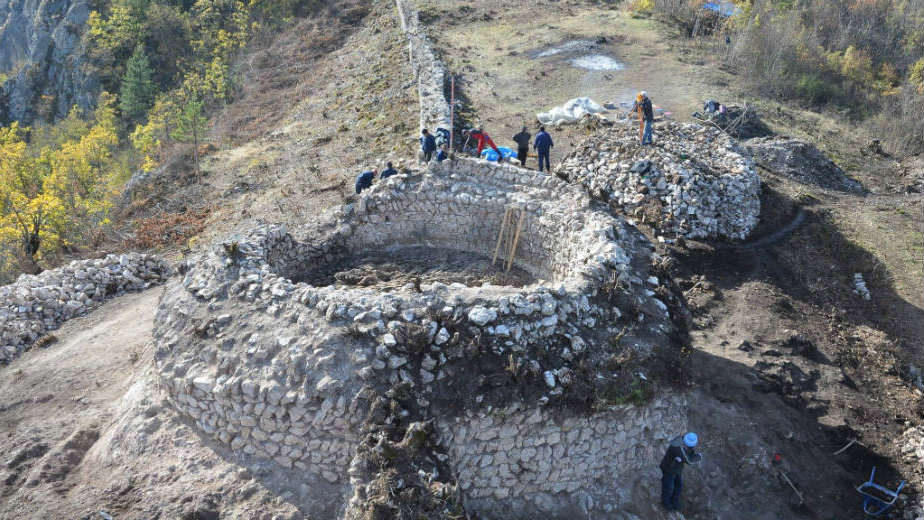
Priboj is a town and municipality in southwestern Serbia, situated on the banks of the Lim River, near the border with Bosnia and Herzegovina. Official written records of Priboj date back to the early 15th century, while it has been reliably established that the medieval fortified town of Jagat, located on Mali Bić, was built as early as the 13th or 14th century.
Priboj first appears in Turkish sources between 1459 and 1463, when it came under the rule of the Ottoman Empire, under which it remained until its liberation and incorporation into the Kingdom of Serbia in 1912.
During Ottoman rule, Priboj was part of various kadiluks and administrative districts, and was occasionally an independent administrative unit. Following the Congress of Berlin in 1878, an Austro-Hungarian garrison was stationed in Priboj, where it remained until 1909. This contributed to the development of trade, crafts, and other service activities.
The town also played an important role in the mining industry, as a copper deposit dating back to Roman times was located nearby. During the First and Second World Wars, the territory of Priboj came under different occupying powers. After the wars, the town experienced significant development in trade, construction, and industry.
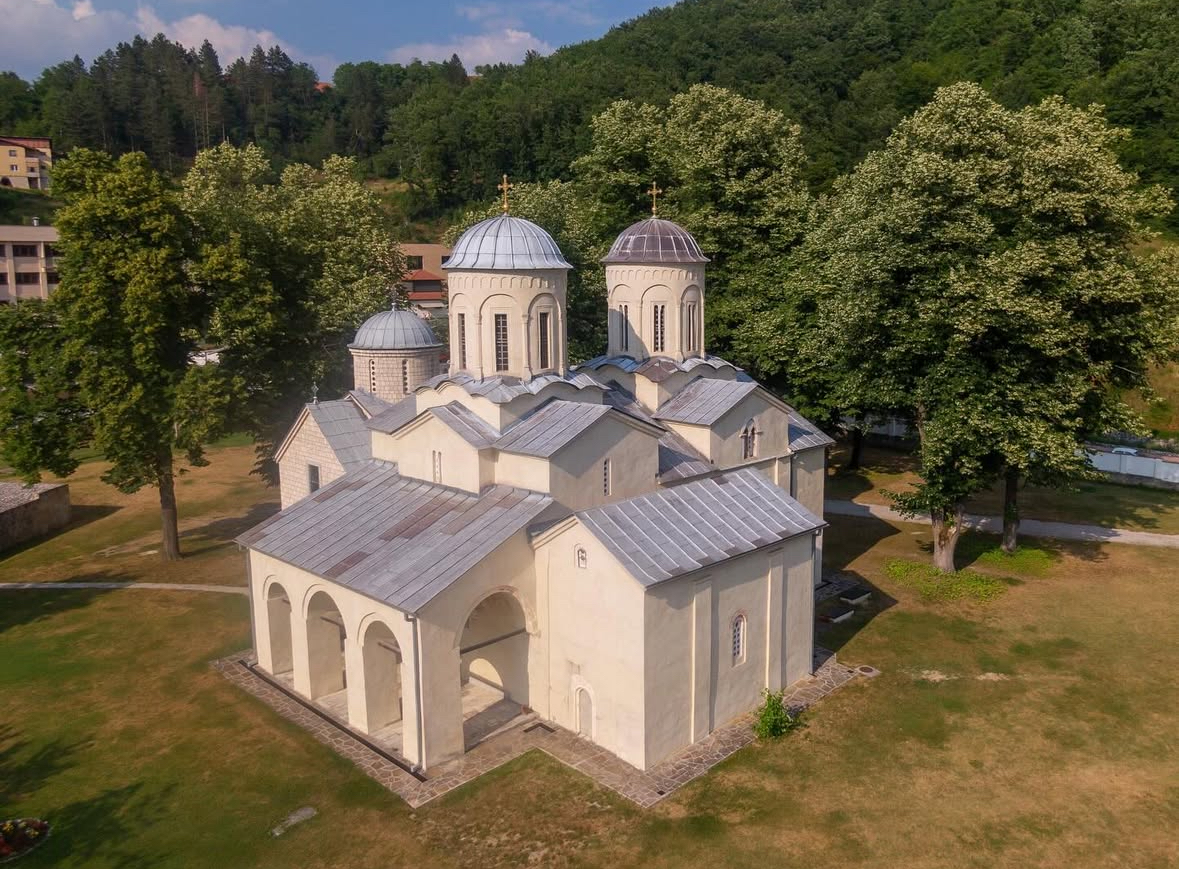
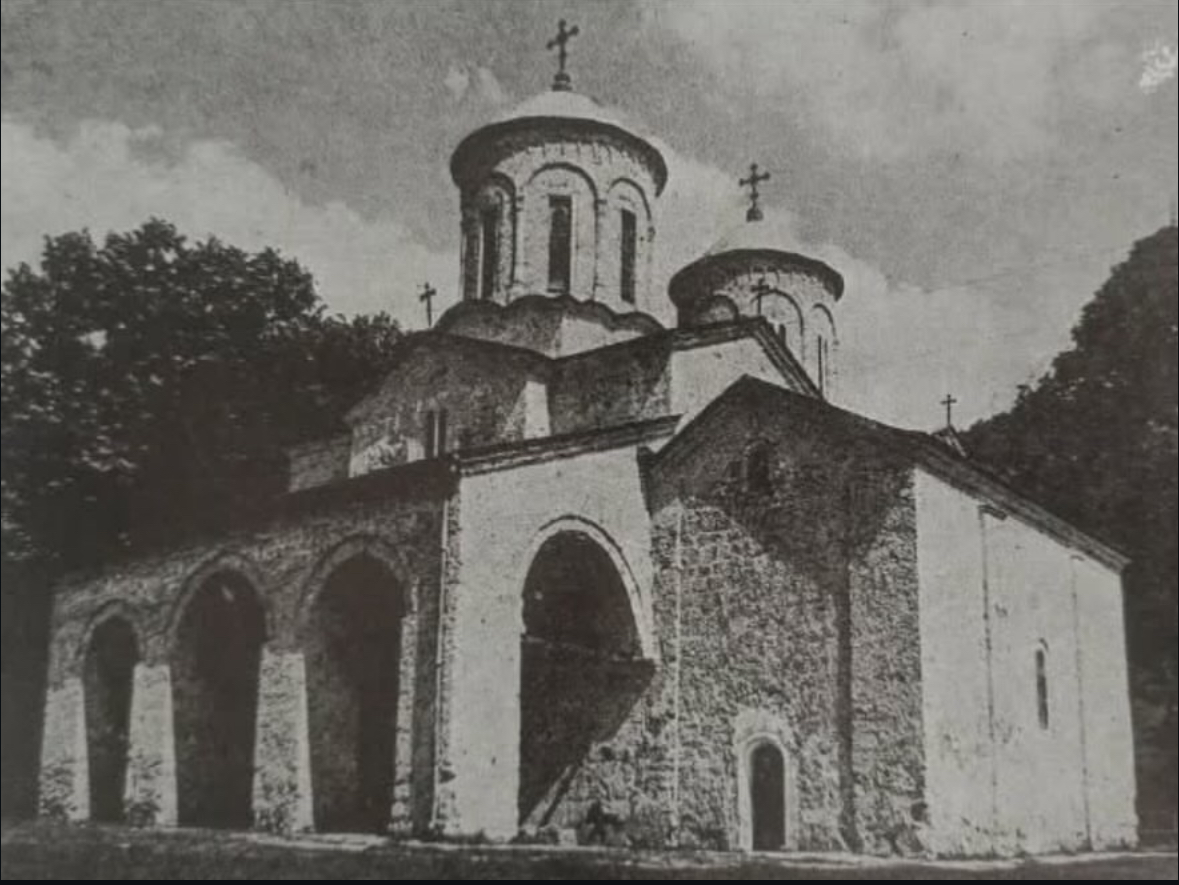
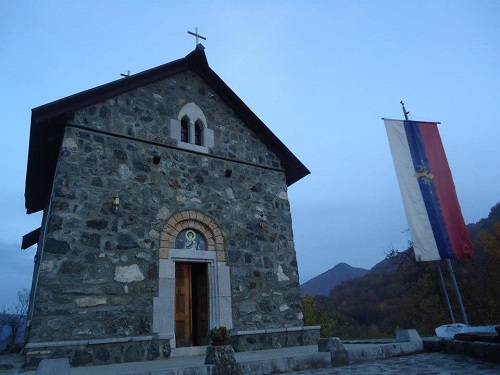
Priboj is also known for its rich history and cultural heritage, being located near several important monasteries, particularly the Monastery of St. Nicholas in Dabar, dating back to the 12th century. Today, Priboj is an important regional center, offering a distinctive combination of natural beauty, historical heritage, and industrial development.
The Terme 36.6 Spa Center is located in Pribojska Banja, 5 kilometers from Stari Priboj, where the Terme 36.6 Hotel is situated.